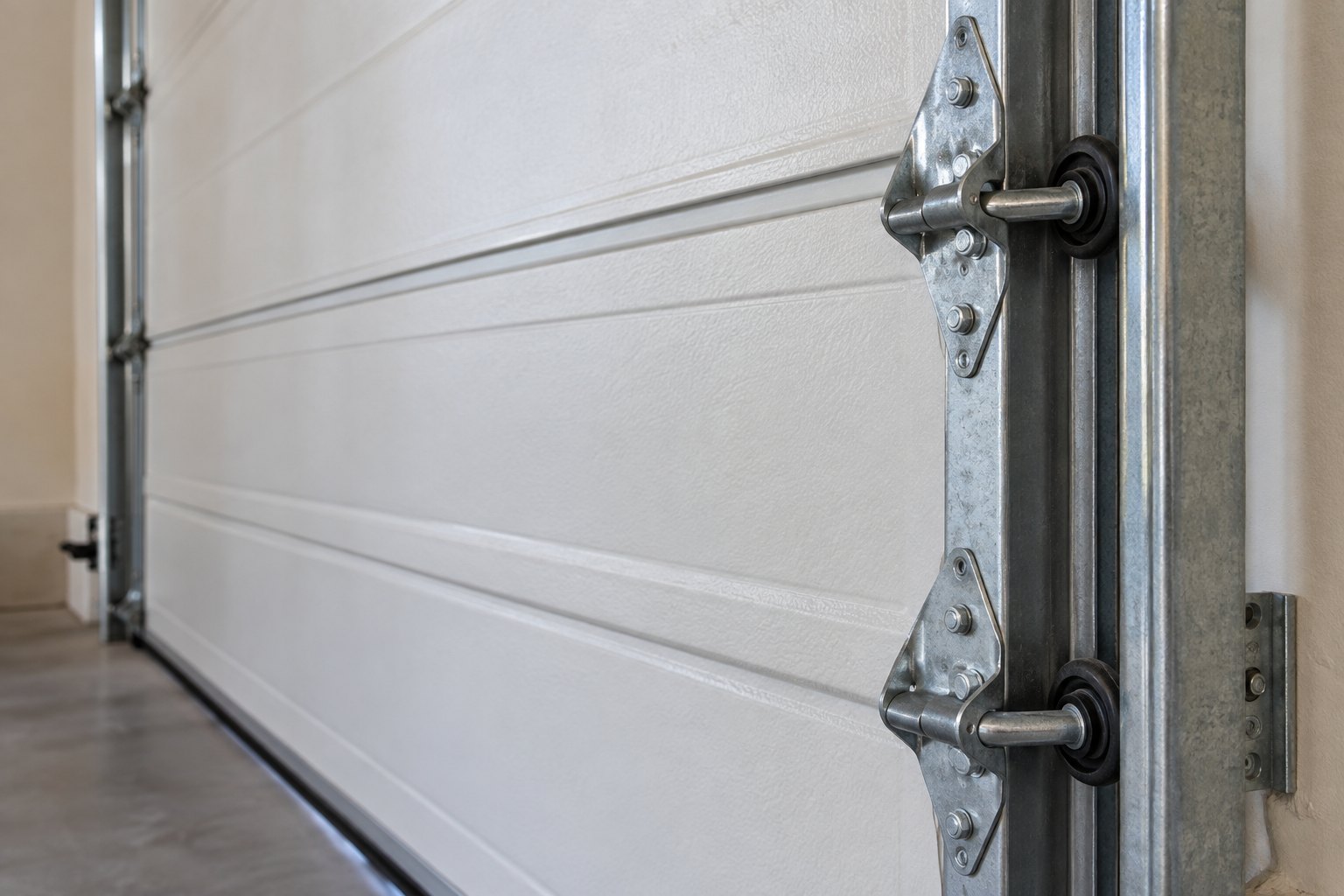
Know what normal sounds and feels like
You do not need to name every component to notice that a door has changed. Pay attention from a safe distance during normal use: where a sound starts, whether movement is smooth, and whether the door reaches its usual position. Those observations give a maintenance conversation a useful starting point.
If the garage is used by several people, ask whether they have noticed the same behavior. A problem that happens only occasionally is still worth describing. Keep any existing service records and the door and opener manuals together so previous work and manufacturer guidance are easy to reference.
- New squeaks, rattles, scraping, or vibration.
- Movement that is less consistent than it used to be.
- A visible change in seals, panels, or accessible hardware.
- Recurring trouble with remotes, keypads, or the wall control.
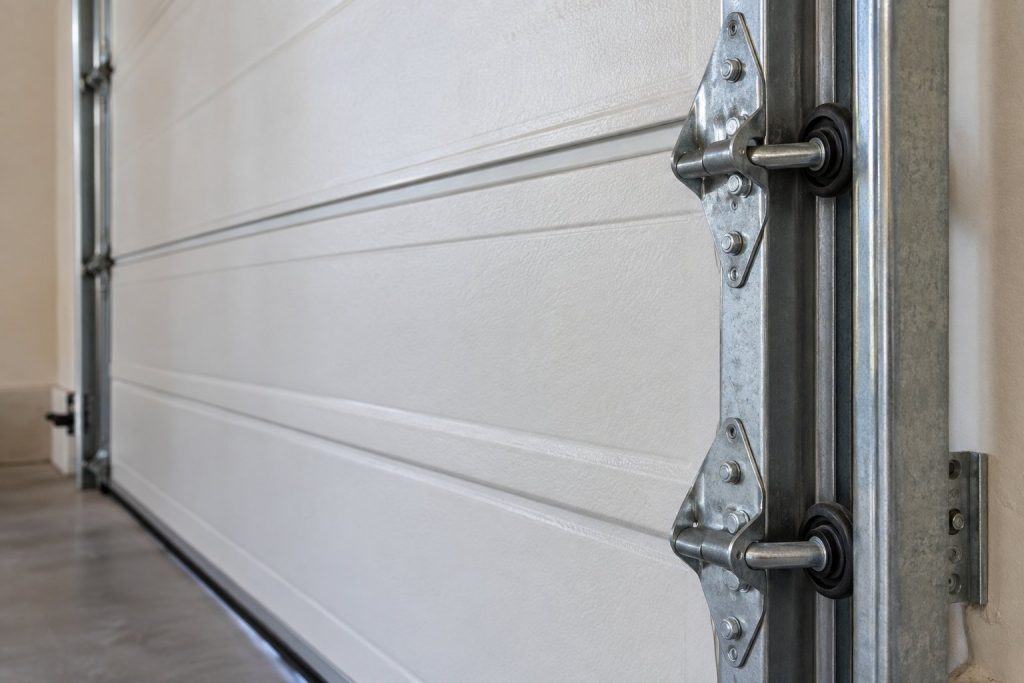
Maintenance should fit the equipment
Garage doors and openers have model-specific care instructions. Cleaning, lubrication, inspection, and testing are not interchangeable tasks, and applying a product to every moving part is not a substitute for understanding what the manufacturer recommends.
Useful topics for a maintenance visit include the door's visible condition, movement, supporting hardware, seals, and opener safety functions. Ask which checks are appropriate to your equipment and which findings require a separate repair. A maintenance appointment should not be treated as permission to keep using a door with obvious damage.
A tune-up and a repair have different scopes
Routine care can identify wear and changes in operation. It cannot undo a cracked component or make an unsuitable part correct for the door. If something has failed, the discussion needs to include the cause, the replacement requirements, and whether other parts were affected.
For a door that still works, the useful question is what condition it is in now and what attention it needs. Avoid assuming that a generic checklist or a particular number of inspection points describes the right service for every installation. Ask for the proposed scope in terms you can relate to your door.
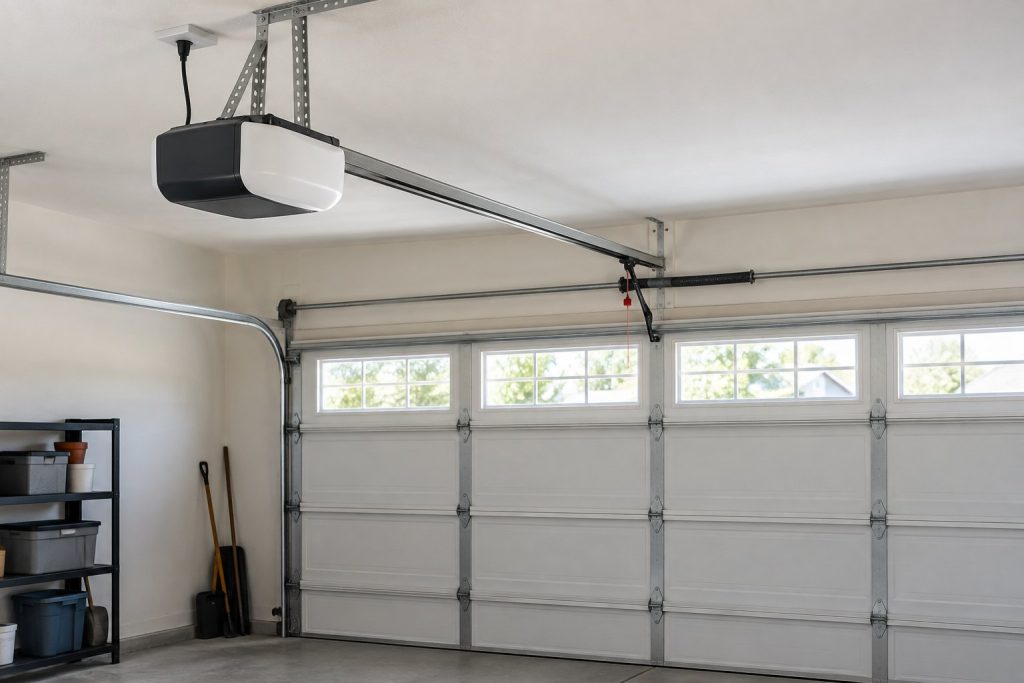
Build care into your normal routine
Keep the opening and control area clear, keep the manuals accessible, and follow the manufacturer’s inspection and testing guidance. Note when the last service took place and any work completed. A simple record makes it easier to describe a recurring issue without relying on memory.
Leave spring adjustments and work on tensioned hardware to a trained door systems technician. If the door becomes crooked, binds, or shows visible damage, stop operating it and discuss repair rather than continuing your usual maintenance routine.
Call 602-621-6650 to discuss garage door maintenance. Tell us how often the door is used, what has changed, and when it was last checked, if known.
Questions about garage door maintenance
How often should my garage door be maintained?
Follow the door and opener manufacturers' guidance and take account of use and condition. Ask which professional inspection interval fits your equipment. Do not wait for a planned interval if operation changes or damage becomes visible.
Does a quiet door still need attention?
Sound is only one clue. Visible wear, inconsistent controls, seal condition, and safety functions also matter. Keep up with the checks described in your manuals even when the door seems quiet during normal use.
Can lubrication fix every squeak?
No. A sound can come from wear, damage, or a component that needs different attention. Use only the care methods specified for your equipment and have persistent or changing noises assessed rather than adding lubricant indiscriminately.
What should I tell you about a previously serviced door?
Share the date and scope of the earlier work if you know them, along with any recurring symptom. Mention changes to the door, opener, or controls. Previous invoices and manuals can help identify the installed equipment.
Talk through the next step
Call Above the Rest Garage Doors Arizona with your door details and questions.