What has changed about your door?
The most useful clue is often a change from normal operation. A new scraping sound, a door that closes unevenly, or a motor that runs without moving the door can point to different problems. The same symptom can also have more than one cause, so a description over the phone is a starting point rather than a diagnosis.
Note whether the problem happens while opening, closing, or both. Mention if the wall control and remote behave differently, whether the problem began after an impact, and whether the door is currently open or closed. There is no need to keep operating a damaged door to demonstrate the issue.
- The door stops before it reaches its usual open or closed position.
- Movement has become uneven, jerky, or noticeably louder.
- The opener responds, but the door does not move as expected.
- A section looks damaged or the door sits crooked in the opening.
A repair decision starts with the whole system
The door, its supporting hardware, and the opener work together. An opener complaint may begin with resistance elsewhere in the door system. Replacing a control or motor without understanding that resistance may leave the original problem unresolved.
A useful assessment considers the door's condition, how it travels, the components associated with the symptom, and the equipment already installed. Ask which part has failed, what has contributed to that failure, and whether any related damage changes the scope of the repair. The explanation should help you compare the proposed work with the problem you called about.
Repair the problem or plan a replacement?
A focused repair may make sense when the damage is limited and suitable parts are available. A replacement discussion becomes more relevant when several parts of the door are deteriorating, compatible components are difficult to obtain, or you already want a different style or configuration.
The door and opener do not automatically need to be replaced together. Each has its own condition and compatibility requirements. If you are comparing options, ask what the proposed work includes, which existing components would remain, and whether the result addresses both operation and the way you use the garage.
When to leave the door alone
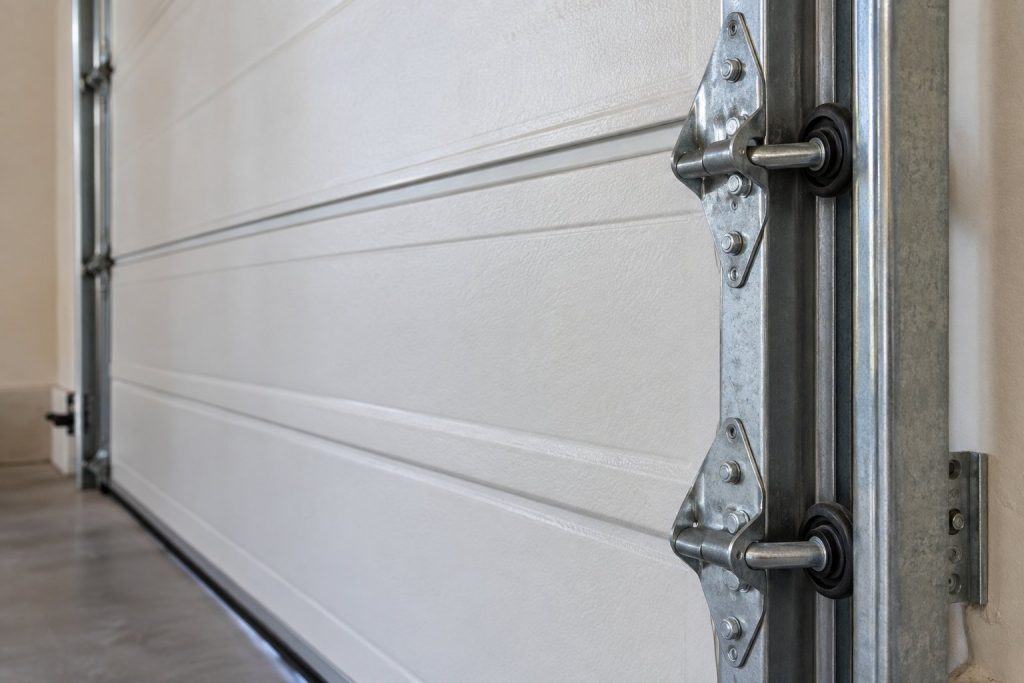
Keep people and vehicles away from a crooked, unsupported, or visibly damaged door. Stop using the opener if the door is struggling to move. Springs and related hardware can be under substantial tension; loosening or adjusting them is work for a trained door systems technician.
Call 602-621-6650 to discuss garage door repair. Have the approximate door size, any safely visible brand or model information, and a short description of the change ready. Explain any access concern at the start of the conversation.
Questions about garage door repair
Does a noisy garage door always need to be replaced?
No. Noise alone does not establish the cause or the right repair. Where the sound occurs, whether movement has changed, and the condition of the door all matter. Describe the sound without repeatedly running a door that appears damaged.
Why does my door open but refuse to close?
Possible causes include a sensor issue, an obstruction, or a problem with door travel or the opener. Record any indicator lights you can see safely. Do not bypass a safety device to make the door close.
Can I request help without knowing which part is broken?
Yes. Describe what the door does and when the problem began. Knowing the name of a component is less useful than an accurate account of the symptoms, an impact, or a recent change in operation.
Should I buy replacement parts before calling?
Wait until the problem and compatibility are understood. Similar-looking components are not necessarily interchangeable. Share the door or opener model if available, and discuss the proposed parts before making a purchase.
Talk through the next step
Call Above the Rest Garage Doors Arizona with your door details and questions.